Foot Ailments – A Glossary of Terms
The Complete Glossary of Foot Ailments, Conditions, and Treatments
Whether you’re researching a nagging heel pain or trying to make sense of a term your healthcare provider mentioned, having a reliable reference for foot problems can save you time and confusion. Foot and ankle conditions affect millions of Canadians each year, and the terminology surrounding them can feel overwhelming. From structural issues and skin disorders to circulation-related complications, every symptom has a name and every condition has a defined set of characteristics worth knowing.
This glossary breaks down the most important foot ailments and treatments into plain-language definitions so you can identify what you’re dealing with, communicate more effectively with your care team, and take informed next steps. You’ll find terms organized by category: pain and structural conditions, skin and nail disorders, diabetic and circulatory concerns, movement and anatomy vocabulary, treatment and support methods, and less common clinical terminology.
Each entry is written to give you a concise, accurate definition rather than a deep clinical dive. If you wear orthotics, manage a chronic condition like diabetes, or simply want to understand the difference between a corn and a callus, you’ll find practical clarity here. Use this as a quick-reference resource whenever a foot-related term comes up in conversation, on a referral form, or during an appointment.
Common Pain And Structural Terms
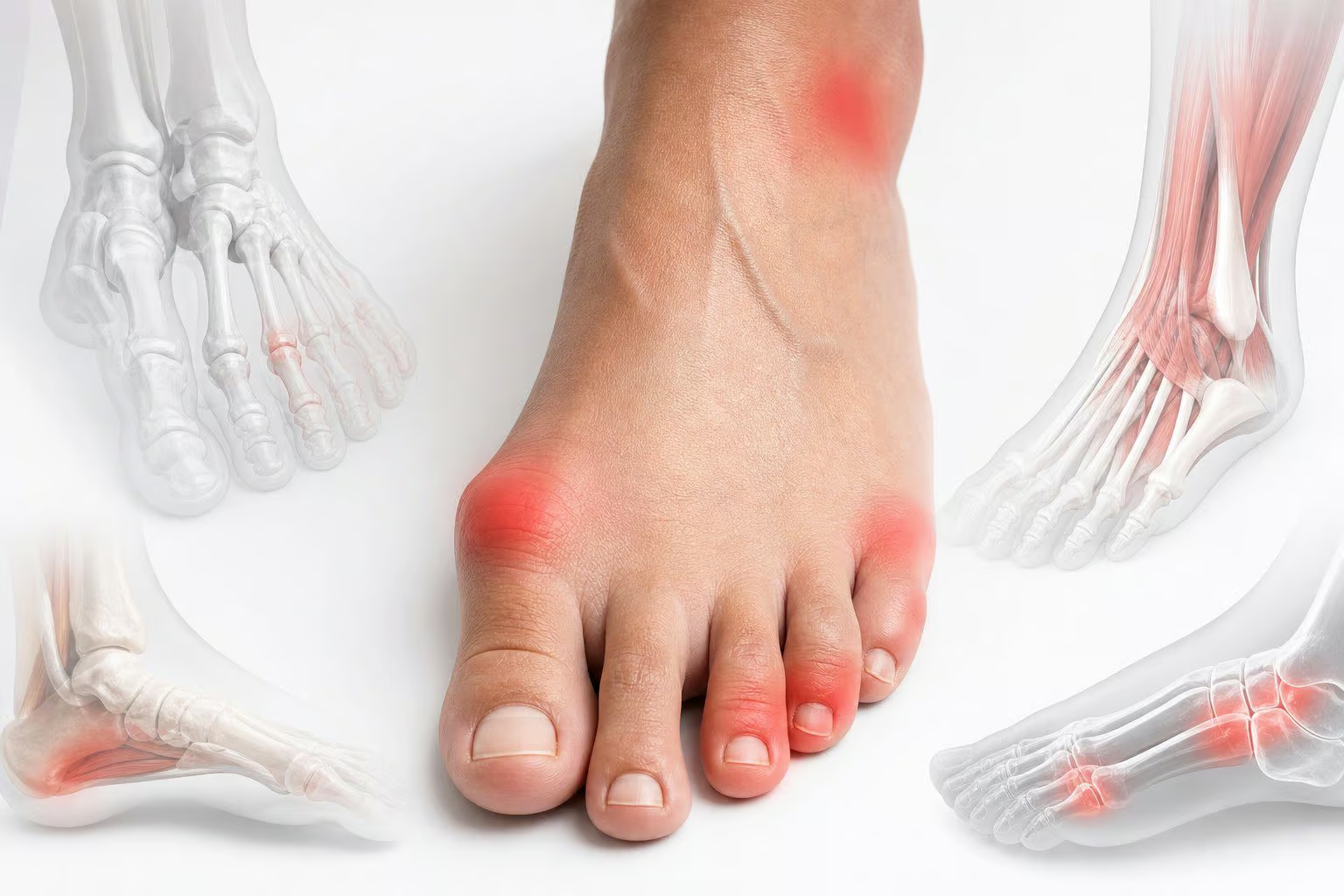
Pain in the feet most often traces back to inflammation of the plantar fascia, bony growths on the calcaneus, misalignment of the great toe or lesser toes, pressure across the metatarsals, or nerve compression in the forefoot. Structural variations like flat feet and high arches also play a significant role in how force distributes through the sole of the foot with every step.
Plantar Fasciitis
Plantar fasciitis is inflammation of the plantar fascia, a thick band of connective tissue that runs along the bottom of your foot from the heel bone to the toes. You’ll typically feel a stabbing heel pain with your first steps in the morning or after prolonged sitting. It is one of the most common causes of heel pain and tends to develop from repetitive stress, tight calf muscles, or unsupportive footwear.
Risk factors include standing for long periods, carrying excess body weight, and having either flat feet or unusually high arches. Treatment usually begins with stretching, ice, supportive footwear, and custom orthotics designed to reduce strain on the plantar fascia.
Heel Spur
A heel spur is a bony calcium deposit that forms on the underside of the calcaneus (heel bone). It often develops alongside chronic plantar fasciitis as the body responds to sustained tension on the plantar fascia attachment point. Many people with heel spurs experience no symptoms at all; the pain you feel is more often from the surrounding soft tissue inflammation than from the spur itself.
On X-ray, a heel spur may appear as a small, pointed projection extending up to half an inch from the heel bone. Conservative treatment focuses on addressing the underlying inflammation rather than removing the spur.
Bunion
A bunion, known clinically as hallux valgus, is a bony bump that forms at the base of the great toe where it meets the first metatarsal. As noted by FootCareMD, a bunion is usually the result of a muscular imbalance that causes the big toe joint to slip out of alignment rather than a simple bone growth. The big toe drifts toward the second toe, and the joint at its base becomes enlarged and often painful.
Bunions tend to worsen over time, especially in narrow or pointed footwear. Symptoms include swelling, redness, and difficulty finding comfortable shoes.
Hallux Valgus
Hallux valgus is the medical term for a bunion. Hallux refers to the great toe and valgus describes its deviation away from the midline of the body. The distinction is worth noting because your healthcare provider may use either term on referral documents or imaging reports. Mild hallux valgus may respond to padding, wider shoes, and orthotics, while severe cases can require surgical correction (bunionectomy).
Hammertoe
A hammertoe is an abnormal bend in the middle joint of a toe, most commonly affecting the second, third, or fourth toe. Related deformities include mallet toe (bend at the joint nearest the tip) and claw toe (bends at both the middle and end joints). These deformities typically result from muscular imbalance within the foot and are often aggravated by tight-fitting shoes.
In the early stages, a hammertoe remains flexible and can be treated with toe exercises, pads, and roomier footwear. If the joint becomes rigid, surgical intervention may be necessary.
Metatarsalgia
Metatarsalgia is a general term for pain and inflammation in the ball of the foot, specifically around the metatarsal heads in the forefoot. You’ll often notice it as a sharp, aching, or burning sensation under the metatarsals that worsens with walking, running, or standing.
Common contributors include high-impact activities, ill-fitting shoes, excess weight, and foot deformities like hammertoes or high arches. Cushioned insoles, properly fitted footwear, and custom orthotics that redistribute pressure across the forefoot are standard first-line treatments.
Neuroma
A neuroma (often called Morton’s neuroma) is a thickening of nerve tissue, typically between the third and fourth metatarsal bones in the forefoot. It produces a burning pain, tingling, or numbness in the ball of the foot that may radiate into the toes. Many patients describe the sensation as standing on a pebble inside their shoe.
Tight or high-heeled shoes are a frequent aggravating factor. Treatment ranges from padding and wider footwear to corticosteroid injections or, in persistent cases, surgical removal of the affected nerve tissue.
Flat Feet
Flat feet (pes planus or flatfoot) occur when the arch of the foot collapses so that the entire sole of the foot contacts the ground. This can be congenital or acquired through injury, arthritis, or posterior tibial tendon dysfunction. Not everyone with flat feet experiences pain, but when symptoms arise they often include arch fatigue, heel discomfort, and knee or hip strain from altered biomechanics.
Supportive footwear and custom orthotics are among the most effective non-surgical interventions. Severe cases associated with tendon damage or bony deformity may require bracing or surgery.
High Arches
High arches (pes cavus) describe a foot shape where the arch is significantly elevated, reducing the area of the sole of the foot that bears weight. This concentrates pressure on the heel and the ball of the foot, increasing your risk of metatarsalgia, stress fractures, and ankle instability.
High arches can be inherited or linked to underlying neurological conditions. Cushioned orthotics and shoes with good shock absorption help distribute force more evenly across the foot.
Skin, Nail, And Fungal Conditions
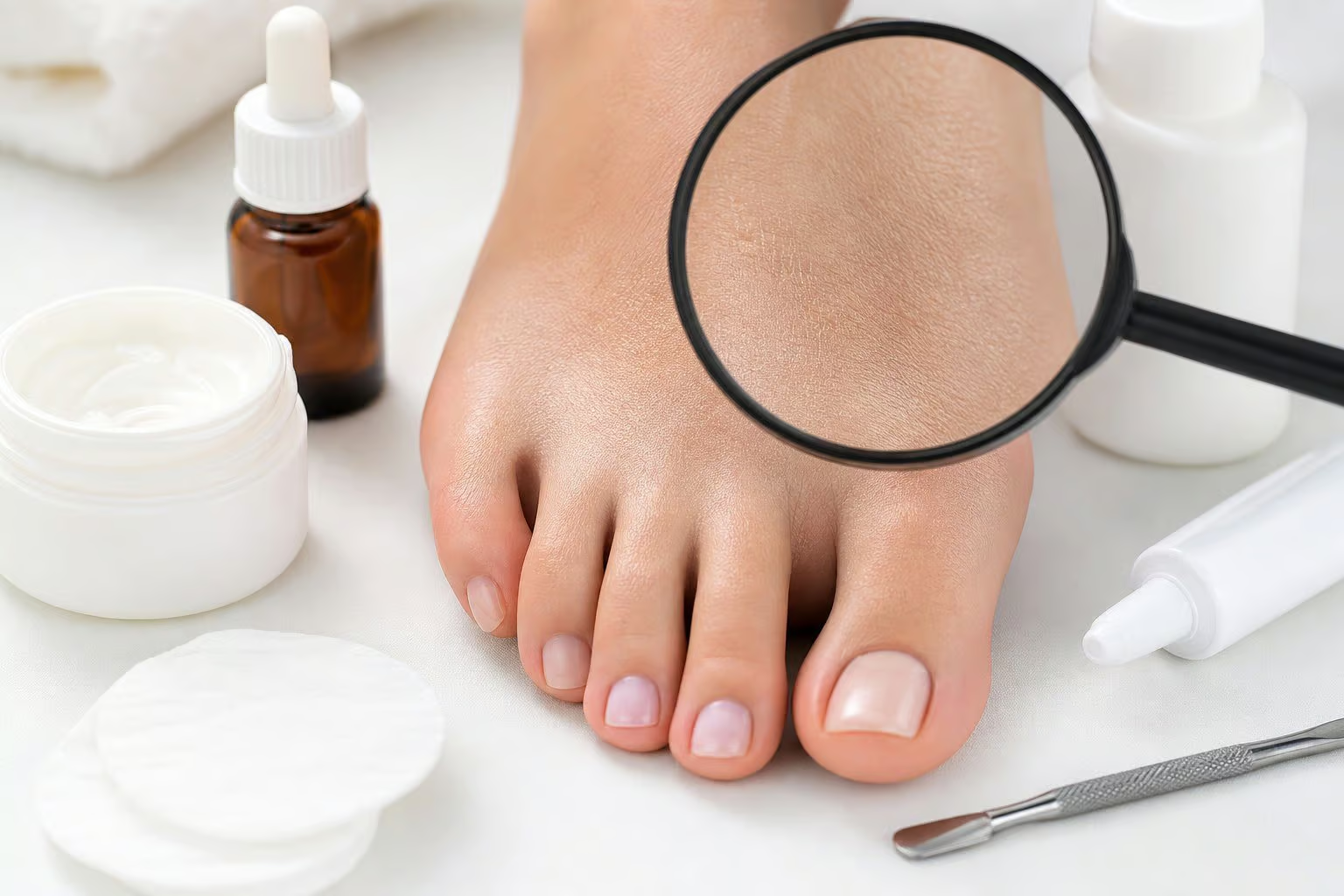
Skin and nail disorders on the feet range from pressure-related thickening like calluses and corns to fungal infections caused by organisms such as Trichophyton. Many of these conditions develop gradually and become painful or unsightly before you seek treatment, so recognizing each term early can help you act sooner.
Callus
A callus is a broad, hardened area of thickened skin (hyperkeratosis) that develops on the sole of the foot or other areas exposed to repeated friction or pressure. Unlike corns, calluses are generally not painful and serve as the body’s protective response to mechanical stress. Poorly fitting shoes, abnormal gait patterns, and bony prominences all contribute to callus formation.
Regular professional debridement keeps calluses manageable and prevents cracking. Moisturizing the feet daily also helps maintain skin elasticity.
Corn
A corn is a smaller, more focused area of thickened skin that typically forms on the tops, sides, or between the toes. Corns have a hard central core that presses into deeper tissue, which is why they tend to be more painful than calluses. According to the AOFAS glossary, corns usually develop where a shoe pinches or where toe deformities create abnormal pressure points.
Removing the source of friction is the first step. Professional paring by a qualified foot care provider offers immediate relief, though corns will recur if the underlying pressure is not corrected.
Hyperkeratosis
Hyperkeratosis is the clinical term for excessive thickening of the outer layer of skin (stratum corneum). On the feet, it manifests as calluses, corns, or generalized thickening on weight-bearing surfaces. While some degree of hyperkeratosis is normal and protective, excessive buildup can cause pain, cracking, and secondary infection.
Routine foot care, including gentle exfoliation and appropriate moisturizing, helps keep hyperkeratosis under control.
Ingrown Toenail
An ingrown toenail (onychocryptosis) occurs when the edge of a toenail grows into the surrounding skin, causing pain, redness, swelling, and sometimes infection. The great toe is most commonly affected. Tight shoes, improper nail trimming (cutting nails too short or rounding the corners), and trauma are the usual causes.
Mild cases may improve with warm soaks and proper trimming technique. Persistent or infected ingrown toenails often require professional intervention, such as partial nail removal or a corrective system like Onyfix.
Onychomycosis
Onychomycosis is a fungal infection of the toenail, most often caused by dermatophyte fungi such as Trichophyton rubrum. The Canadian Dermatology Association notes that it accounts for about half of all nail abnormalities and commonly originates from public pools, gym showers, or damp footwear.
Infected nails become thick, yellow or brown, brittle, and sometimes crumbly. Treatment options include topical antifungal agents, oral antifungal medications, and phototherapy devices like ClearToe Therapy Light, which is authorized by Health Canada for the clearance of toenail fungus.
Tinea Pedis
Tinea pedis, commonly known as athlete’s foot, is a fungal skin infection caused by dermatophytes, most frequently Trichophyton species. It thrives in warm, moist environments and spreads easily through contaminated surfaces. Symptoms include itching, burning, peeling, and cracking skin, usually between the toes or on the sole of the foot.
Over-the-counter antifungal creams resolve most cases, but chronic or widespread tinea pedis may require prescription-strength treatment. Keeping your feet clean and dry and wearing breathable footwear are key preventive measures.
Plantar Wart
A plantar wart is a hard, grainy growth on the sole of the foot caused by the human papillomavirus (HPV). It grows inward due to the pressure of body weight, often creating a painful callus-like lesion with tiny black dots (clotted blood vessels) visible on the surface.
Plantar warts can spread through direct contact or contaminated surfaces. Treatment includes salicylic acid preparations, cryotherapy (freezing), and in stubborn cases, minor surgical excision.
Infection
In the context of foot health, infection refers to the invasion of tissue by bacteria, fungi, or viruses that causes an inflammatory response. Signs include redness, warmth, swelling, pain, and sometimes discharge. Breaks in the skin from ingrown toenails, cracks in calluses, blisters, or wounds create entry points for pathogens.
Prompt treatment is essential, especially if you have diabetes or compromised circulation, because foot infections in these populations can escalate rapidly and lead to serious complications including ulceration and tissue loss.
Diabetic And Circulation-Related Terms
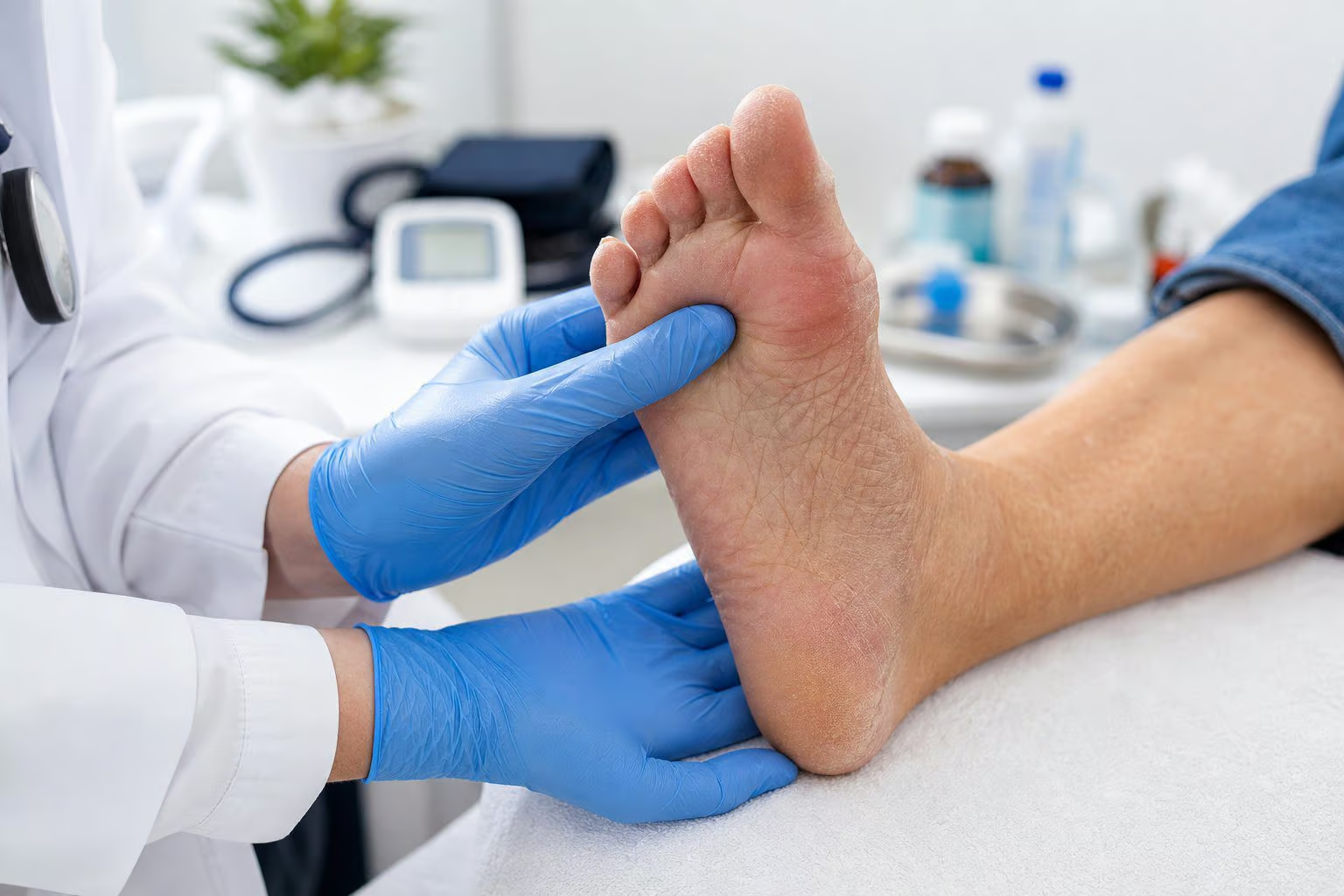
Diabetes and circulatory disorders introduce a unique set of risks for your feet, including nerve damage that masks pain signals, reduced blood flow that slows healing, and increased susceptibility to ulcers and infection. Knowing these terms helps you recognize warning signs before minor issues become serious.
Diabetic Foot
Diabetic foot is a broad clinical term encompassing the infection, ulceration, or destruction of tissues of the foot associated with neuropathy and peripheral artery disease in a person with diabetes. It is not a single condition but rather a spectrum of complications that can range from dry skin and calluses to deep wounds and bone infection.
Preventive care is critical. Diabetes Canada’s clinical guidelines recommend regular foot examinations, professionally fitted therapeutic footwear, and early detection and treatment of ulcers to reduce the risk of amputation.
Diabetic Neuropathy
Diabetic neuropathy is nerve damage caused by prolonged high blood sugar levels. In the feet, it most commonly presents as peripheral neuropathy, which produces numbness, tingling, burning, or a loss of sensation in the toes and soles. You may not feel cuts, blisters, or pressure sores, which is why daily self-inspection of your feet is essential.
Over time, neuropathy can alter foot mechanics and lead to deformities, calluses, and ulcers. Managing blood glucose levels, wearing protective footwear, and scheduling regular foot assessments are foundational strategies.
Ulcer
A foot ulcer is an open wound or sore, most commonly on the bottom of the foot, that fails to heal normally. In people with diabetes, ulcers frequently result from a combination of neuropathy (you can’t feel the injury), poor circulation (the wound doesn’t receive adequate blood flow), and mechanical stress from walking on a deformed or improperly supported foot.
Treatment involves offloading pressure from the wound, infection management, maintaining moisture balance, and addressing the underlying vascular and metabolic factors. Without proper care, ulcers can progress to deep tissue infection or necessitate surgical intervention.
Neuropathy
Neuropathy is a general term for dysfunction or damage to one or more peripheral nerves. While diabetes is the most common cause of neuropathy in the feet, other origins include vitamin deficiencies, autoimmune conditions, chemotherapy, and alcohol use. Symptoms range from mild tingling to complete loss of protective sensation.
A thorough foot assessment can identify early signs of neuropathy, such as diminished response to monofilament testing or reduced vibration perception. Early identification allows you and your healthcare team to implement protective strategies before complications develop.
Compression Stockings
Compression stockings are graduated-pressure garments designed to support venous return and reduce swelling in the lower legs and feet. They apply the greatest pressure at the ankle and gradually decrease pressure up the leg, helping blood flow back toward the heart more efficiently.
Your provider may recommend compression stockings for venous insufficiency, post-surgical recovery, prolonged standing, or diabetic-related edema. Proper fitting is essential for therapeutic effectiveness and comfort; clinics like Complete Foot Care Clinic measure and fit stockings based on your individual leg dimensions. Note that a referral is typically required before insurance coverage applies.
Movement, Anatomy, And Injury Vocabulary
The way your foot moves, the bones that support it, and the soft tissues that control its motion all have specific names that come up frequently in assessments and treatment plans. From the gait cycle to individual tarsal bones, these terms describe the mechanical foundation of your lower limb.
Gait
Gait refers to your pattern of walking, including how your foot strikes the ground, rolls through midstance, and pushes off for the next step. A gait analysis evaluates stride length, cadence, foot angle, and weight distribution. Abnormalities in gait can contribute to pain in the feet, ankles, knees, hips, and lower back.
Clinicians use gait assessment to determine whether orthotics, footwear changes, or therapy interventions are appropriate. It is often the starting point for any biomechanical evaluation.
Pronation
Pronation is the natural inward rolling motion of the foot during the gait cycle. A moderate amount of pronation is normal and helps absorb shock. Overpronation (excessive inward roll) is associated with flat feet, medial knee stress, and conditions like posterior tibial tendon dysfunction. Supination (underpronation) is the opposite pattern, where the foot rolls outward, placing more stress on the lateral side.
Custom orthotics can be designed to correct overpronation or supination by guiding the foot into a more neutral alignment.
Dorsiflexion
Dorsiflexion is the movement of pulling your foot upward toward your shin at the ankle joint. Limited dorsiflexion can result from tight calf muscles, Achilles tendon restrictions, or ankle joint pathology. Reduced dorsiflexion forces compensatory movements elsewhere in the foot and leg and is commonly associated with plantar fasciitis, midfoot strain, and altered gait.
A simple wall stretch test can give you a rough idea of your dorsiflexion range, but precise measurement is best done during a clinical assessment.
Ankle Sprain
An ankle sprain is a stretch or tear of one or more ligaments surrounding the ankle joint. The most common type is a lateral (outside) sprain caused by an inversion injury, where the foot rolls inward. Medial (inside) sprains from eversion injuries are less frequent but can be more complex.
Symptoms include swelling, bruising, pain, and instability. Repeated sprains without proper rehabilitation can lead to chronic ankle instability. Treatment follows a progression from rest, ice, compression, and elevation (RICE) to guided rehabilitation and, in severe cases, bracing or surgical repair.
Tendonitis
Tendonitis (also spelled tendinitis) is inflammation of a tendon, the fibrous tissue connecting muscle to bone. In the foot and ankle, it most commonly affects the Achilles tendon, the posterior tibial tendon, or the peroneal tendons. Overuse, sudden increases in activity, and poor biomechanics are typical triggers.
Pain, swelling, and stiffness along the affected tendon are hallmark symptoms. Early treatment with rest, ice, stretching, and supportive footwear generally produces good outcomes.
Stress Fracture
A stress fracture is a small, incomplete crack in a bone caused by repetitive loading rather than a single traumatic event. The metatarsals, navicular bone, tibia, and fibula are common sites in the foot and lower leg. You’ll notice gradually worsening pain with activity that improves with rest.
Stress fractures are diagnosed with imaging (X-ray or MRI) and treated with activity modification, protective footwear, and sometimes a walking boot. Returning to full activity too soon significantly increases your risk of a complete fracture.
Achilles Tendon
The Achilles tendon is the largest and strongest tendon in your body, connecting the calf muscles (gastrocnemius and soleus) to the calcaneus. As described in the FootCareMD glossary, it sits just under the skin at the back of the ankle and is a common source of pain in runners and other athletes. Achilles tendonitis, tendinosis (chronic degeneration), and rupture are the primary conditions affecting this tendon.
Eccentric calf exercises, heel lifts, and orthotics are standard conservative treatments.
Posterior Tibial Tendon
The posterior tibial tendon runs along the inside (medial side) of the ankle and foot, supporting the arch and controlling pronation during walking. Dysfunction or tearing of this tendon is the most common cause of acquired flat feet in adults, a condition sometimes called posterior tibial tendon dysfunction (PTTD).
Symptoms include pain along the inner ankle, progressive flattening of the arch, and difficulty standing on your toes. Orthotics, bracing, and physical therapy are first-line treatments, with surgical reconstruction reserved for advanced cases.
Treatment And Support Terms
Foot treatment ranges from hands-on nursing care and corrective devices to specialized therapies for nail and fungal conditions. The terms below define the most common interventions you’ll encounter when seeking professional foot care.
Custom Orthotics
Custom orthotics are prescription-grade shoe inserts designed from a precise scan or impression of your feet. Unlike off-the-shelf insoles, they are built to your unique foot shape, arch structure, and biomechanical needs. Their purpose is to keep the feet in proper alignment, redistribute pressure, and reduce stress on muscles, ligaments, tendons, and bones.
Custom orthotics are commonly prescribed for plantar fasciitis, bunions, flat feet, metatarsalgia, diabetic foot support, and gait abnormalities. A referral is typically required for insurance coverage. Clinics like Complete Foot Care Clinic craft orthotics on-site from individualized measurements rather than prefabricated templates.
Nursing Foot Care
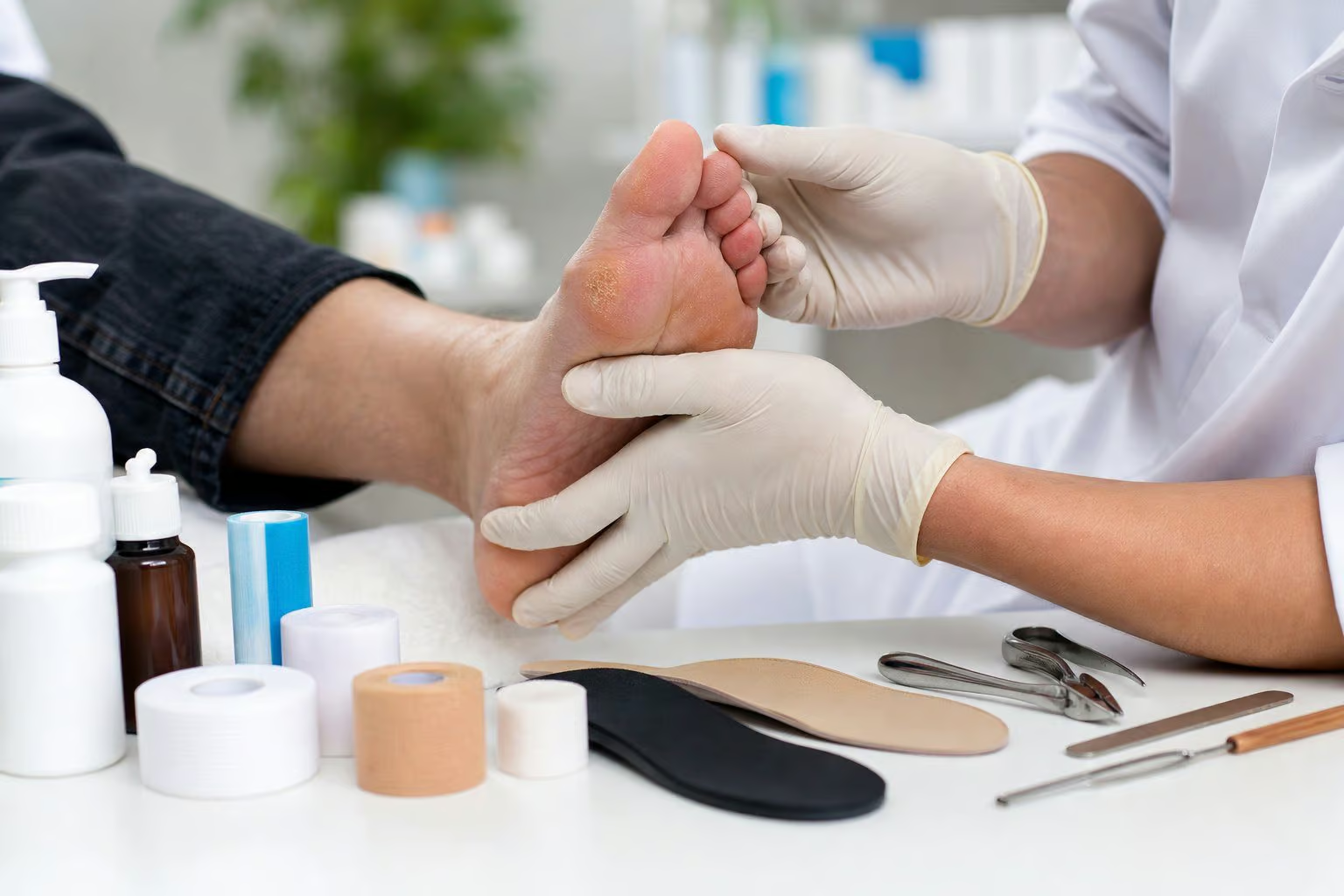
Nursing foot care is hands-on maintenance and treatment provided by a registered nurse with specialized foot care training. Services typically include toenail trimming, callus and corn debridement, skin assessment, and management of conditions like ingrown toenails, thickened nails, and fungal infections.
This type of care is particularly valuable for older adults, people with diabetes, and anyone who has difficulty reaching or seeing their own feet. Regular appointments help prevent complications before they escalate.
Foot Assessment
A foot assessment is a comprehensive clinical evaluation of your feet, gait, footwear, and symptoms. It typically includes a visual inspection, range-of-motion testing, gait analysis, and sometimes biomechanical measurements. The findings guide all subsequent treatment recommendations, from orthotics and footwear to referrals for further imaging or specialist care.
Onyfix Nail Correction
Onyfix is a nail correction system designed for the painless treatment of involuted and ingrown toenails. A flexible composite strip is bonded to the surface of the affected nail, gently guiding it into a more natural growth pattern over time. It is a non-invasive alternative to partial nail removal and is suitable for many forms of nail curvature.
ClearToe Therapy Light
ClearToe Therapy Light (marketed under the ToeFX brand) is a phototherapy device authorized by Health Canada for the clearance of onychomycosis (toenail fungus). The treatment is described as painless and safe, using specific light wavelengths to target fungal organisms in the nail bed. Multiple sessions are usually required to see visible improvement in yellow, crumbling nails.
Chiropody
Chiropody is a term used in parts of Canada and the United Kingdom for the practice of diagnosing and treating disorders of the foot. A chiropodist provides care for skin and nail conditions, prescribes orthotics, and manages biomechanical issues. In Ontario, chiropodists are regulated healthcare professionals.
Podiatry
Podiatry is the branch of medicine devoted to the diagnosis, treatment, and prevention of conditions affecting the foot and ankle. A podiatrist (Doctor of Podiatric Medicine, or DPM) can perform surgery, prescribe medications, and manage a full range of foot and lower-limb disorders. In Canada, the scope of practice for podiatrists varies by province.
Footwear Support
Footwear support encompasses orthopaedic footwear, custom shoes, shoe modifications, and specialty inserts designed to accommodate foot deformities, reduce pressure points, and improve overall comfort. Properly fitted footwear is foundational to nearly every foot treatment plan and is especially critical for patients with diabetes or arthritis.
Bracing And Splints
Braces and splints are external support devices used to stabilize, protect, or immobilize the foot and ankle. Night splints for plantar fasciitis, ankle-foot orthoses (AFOs) for drop foot, and walking boots for stress fractures are common examples. They are often used alongside orthotics and physical therapy as part of a comprehensive treatment approach.
Arthritic And Less Common Clinical Terms
Joint diseases, rare injuries, and advanced surgical procedures each carry specific terminology that you may encounter when reviewing imaging reports, surgical consultations, or specialist referrals. These terms describe conditions involving cartilage, bursa, and bone, along with the diagnostic and surgical options that address them.
Arthritis
Arthritis is a general term for inflammation and degeneration of a joint. In the foot and ankle, it reduces cartilage, causes pain, stiffness, and swelling, and can alter the shape of the joint over time. The three main categories are osteoarthritis, inflammatory arthritis (such as rheumatoid arthritis), and traumatic arthritis following injury. According to Physiopedia, although arthritis is less common in the ankle than in the hip or knee, it can be equally disabling.
Osteoarthritis
Osteoarthritis (OA) is the “wear and tear” form of arthritis resulting from gradual breakdown of cartilage. It most commonly affects the big toe joint (first metatarsophalangeal joint), the midfoot, and the ankle. Risk factors include age, genetics, obesity, and prior joint injury. Treatment begins with activity modification, supportive footwear, orthotics, and anti-inflammatory medication, progressing to injections or surgery if conservative measures fail.
Rheumatoid Arthritis
Rheumatoid arthritis (RA) is a systemic autoimmune disease that attacks the lining of joints, causing chronic inflammation. In the feet, RA frequently affects the forefoot, producing bunions, hammertoes, and painful metatarsalgia. Joint deformity can progress rapidly, making early diagnosis and medication management essential. Orthotics and accommodative footwear help manage pressure and reduce pain in affected joints.
Gout
Gout is a form of inflammatory arthritis caused by the accumulation of uric acid crystals in a joint. The base of the great toe is the most classic location, producing sudden, severe pain, redness, and swelling that often wakes you at night. Dietary modifications, hydration, and medications that lower uric acid levels are the mainstays of management. Repeated gout attacks can cause permanent joint damage if left untreated.
Bursa
A bursa is a small, fluid-filled sac that cushions areas where tendons, ligaments, or muscles glide over bone. Bursitis occurs when a bursa becomes inflamed, typically from repetitive friction, pressure, or direct trauma. In the foot, bursitis commonly develops near the heel (retrocalcaneal bursa), the big toe joint, or beneath the metatarsal heads. Rest, padding, anti-inflammatory treatment, and footwear modifications usually resolve the condition.
Apophysitis
Apophysitis is inflammation of an apophysis, which is a growth plate where a tendon or ligament attaches to bone. In the foot, calcaneal apophysitis (Sever’s disease) is the most common form, affecting active children and adolescents during growth spurts. It causes heel pain that worsens with running and jumping. Treatment includes heel cushions, stretching, activity modification, and supportive footwear.
Lisfranc
A Lisfranc injury involves damage to the ligaments and bones at the tarsometatarsal joint complex in the midfoot. It can range from a sprain of the Lisfranc ligament to a fracture-dislocation of one or more cuneiform or metatarsal bones. This injury is frequently misdiagnosed as a simple sprain. Untreated Lisfranc injuries can lead to chronic midfoot instability, arthritis, and arch collapse, often requiring surgical fixation.
Avascular Necrosis
Avascular necrosis (AVN) is the death of bone tissue due to interrupted blood supply. In the foot, it most commonly affects the talus (after fracture) or the navicular bone (Müller-Weiss disease). Pain, stiffness, and progressive joint deterioration are typical symptoms. Early-stage AVN may be managed conservatively with immobilization and protected weight-bearing, but advanced cases often require surgical intervention such as core decompression or joint fusion.
Arthrodesis
Arthrodesis is the surgical fusion of a joint, permanently eliminating motion at that joint to relieve pain and correct deformity. In the foot and ankle, it is commonly performed on the ankle joint, the subtalar joint, or the first metatarsophalangeal joint (big toe). While arthrodesis sacrifices movement, it provides a stable, pain-free foundation for weight-bearing. It is typically reserved for severe arthritis or failed prior treatments.
Arthroplasty
Arthroplasty is a surgical procedure that replaces or resurfaces a damaged joint. In the foot, total ankle arthroplasty (ankle replacement) is the most well-known example, offering an alternative to arthrodesis that preserves some joint motion. Implant designs have improved significantly, but ankle arthroplasty is best suited for patients with specific activity levels and joint conditions. Joint replacement at the big toe is less common and has more variable outcomes.
MRI
MRI (magnetic resonance imaging) is a diagnostic imaging technique that uses a strong magnetic field and radio waves to produce detailed images of soft tissues, bones, and joints. It is the gold standard for evaluating ligament tears, tendon injuries, stress fractures not visible on X-ray, cartilage damage, and avascular necrosis in the foot and ankle. Unlike CT scans, MRI does not use ionizing radiation.
Frequently Asked Questions
What are the most common foot conditions and how are they defined?
The most common foot conditions include plantar fasciitis (inflammation of the plantar fascia causing heel pain), bunions (misalignment of the great toe joint), corns and calluses (thickened skin from pressure or friction), ingrown toenails (nail edges growing into surrounding skin), and onychomycosis (fungal nail infection). Each of these conditions has specific clinical criteria, and most respond well to conservative treatment when addressed early.
How can I tell the difference between plantar fasciitis and heel spur pain?
Plantar fasciitis produces a sharp, stabbing pain at the bottom of the heel, especially with your first steps in the morning, and stems from inflammation of the plantar fascia. A heel spur is a bony growth on the calcaneus that often coexists with plantar fasciitis but is frequently painless on its own. If you have heel pain, the discomfort is almost always caused by the inflamed soft tissue rather than the spur itself, which is why treatment targets the fascia.
What do the terms pronation, supination, and flat feet mean in foot health?
Pronation is the natural inward roll of your foot during walking, while supination is the outward roll; both are normal in moderation. Overpronation (excessive inward roll) is associated with flat feet, where the arch collapses and the entire sole contacts the ground. These biomechanical patterns affect how force is distributed through your lower limb and often guide decisions about orthotics and footwear.
Which over-the-counter treatments are commonly used for bunions, corns, and calluses?
For bunions, gel toe spacers, bunion pads, and wider shoes can reduce friction and slow progression. Corns and calluses are commonly treated with cushioning pads, pumice stones, and over-the-counter salicylic acid preparations that soften thickened skin. While these products provide temporary relief, they do not address the underlying structural or pressure-related cause, so professional assessment is recommended for recurring issues.
When should foot pain or swelling be evaluated by a podiatrist?
You should seek professional evaluation when foot pain persists beyond two weeks of home care, limits your daily activities, or is accompanied by signs of infection such as redness, warmth, or drainage. Sudden swelling after an injury, numbness or tingling, and any open wound that is slow to heal (particularly if you have diabetes) also warrant prompt assessment. Early intervention consistently leads to better outcomes.
What is the typical recovery time and aftercare for ingrown toenail treatment?
Mild ingrown toenails treated conservatively with proper trimming and soaks may resolve within one to two weeks. If a partial nail removal or corrective system like Onyfix is used, full healing typically takes four to six weeks, during which you should keep the area clean, wear open or loose-fitting footwear, and follow your provider’s aftercare instructions. Recurrence is less likely when you trim nails straight across and avoid narrow shoes.