Emergency Furnace Repairs in Norfolk County
What to do when the furnace stops
When your furnace quits in Norfolk County, the first job is to get your household safe and warm, then get the right person looking at the equipment. A cold house is stressful, but most no-heat calls follow a clear path from quick checks to a proper diagnosis.
If your furnace stops heating, check for gas smells and carbon monoxide alarms first, run a few safe checks on the thermostat, switch, and filter, and if heat does not return, call a licensed 24/7 technician for emergency furnace repairs in Norfolk County.
Anything involving gas, burners, venting, or wiring belongs to a qualified technician.
You will be able to tell what you can safely check yourself, what counts as a true emergency, and what details to have ready so the technician arrives prepared.
What Should You Do When Your Furnace Stops Heating?
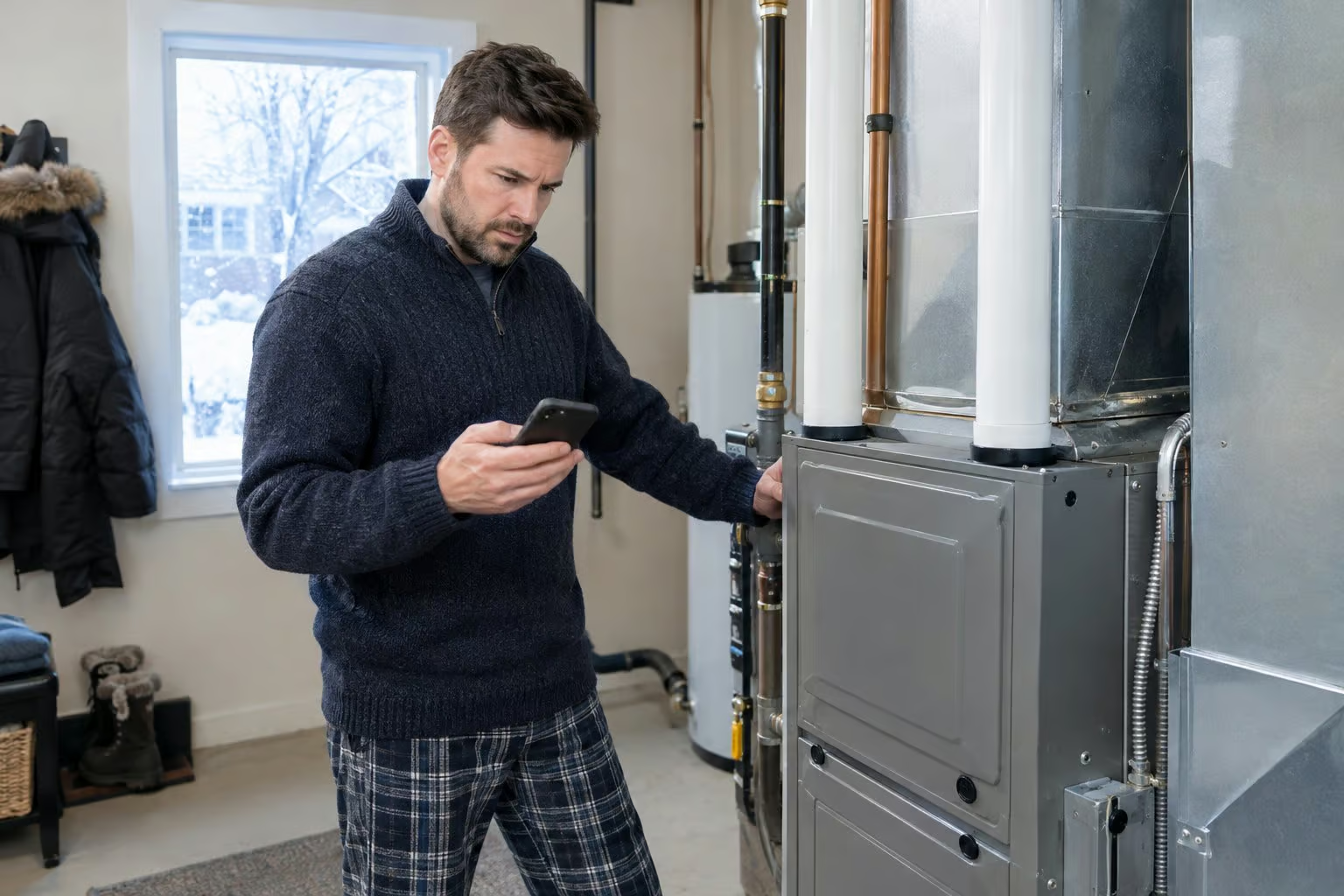
Start with safety, then move to simple checks you can do without opening the furnace. In Norfolk County, where many homes run on natural gas, propane, or oil, that order protects you no matter what fuel you use.
Safety first:
- If you smell gas or your CO alarm sounds, get everyone outside, including pets.
- Call 911 or your gas utility from outside. Do not flip light switches on the way out.
- Do not go back in until emergency responders say it is safe.
Safe checks if there are no warning signs:
- Set the thermostat to Heat and raise it a few degrees above room temperature.
- Replace the thermostat batteries if the screen is blank.
- Make sure the furnace service switch near the unit is on.
- Look at the breaker. If it has tripped, you can reset it once, but if it trips again, there is likely a bigger problem, as Carrier’s emergency response steps point out.
- Check the filter. A clogged one restricts airflow and can shut the furnace down.
- Clear snow or leaves from the outside intake and exhaust pipes, from ground level only.
Do not reset the furnace over and over. Repeated resets can hide the real fault and stress parts that are already failing.
Which Furnace Problems Need an Emergency Service Call?
Any problem tied to safety, or a full loss of heat in cold weather, calls for emergency furnace repair. Some issues can wait for a regular appointment; these cannot.
| Symptom | Emergency? | Why |
|---|---|---|
| Gas smell or CO alarm | Yes, call 911 or utility first | Risk of leak or poisoning |
| Burning smell or smoke | Yes | Possible electrical or overheating fault |
| No heat in freezing weather | Yes | Pipes and people at risk |
| Furnace starts, then shuts off | Yes, in cold weather | Ignition, flame sensor, or airflow fault |
| Loud banging or grinding | Yes | Possible serious part failure |
| Uneven heat, rooms slightly cool | Usually not | Often airflow or filter related |
Watch for soot around the cabinet, a flame that looks yellow or flickers, or headaches that ease when you leave the house. Treat those as safety signs, not comfort issues.
If an older relative, a baby, or someone with health concerns lives with you, a no-heat call becomes urgent faster. The same goes for farm buildings and rental units where pipes can freeze.
What Happens During an Emergency Furnace Repair Visit?
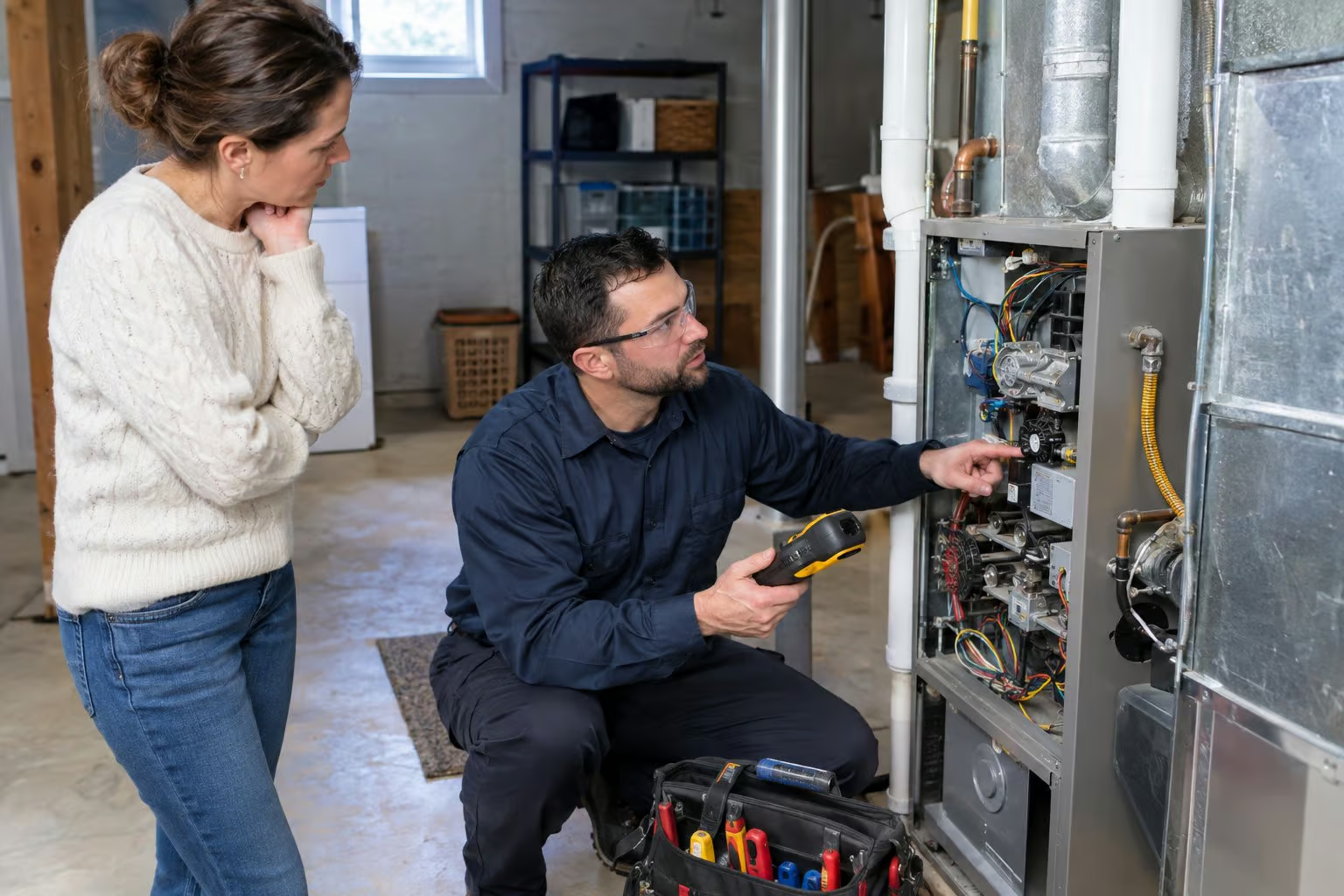
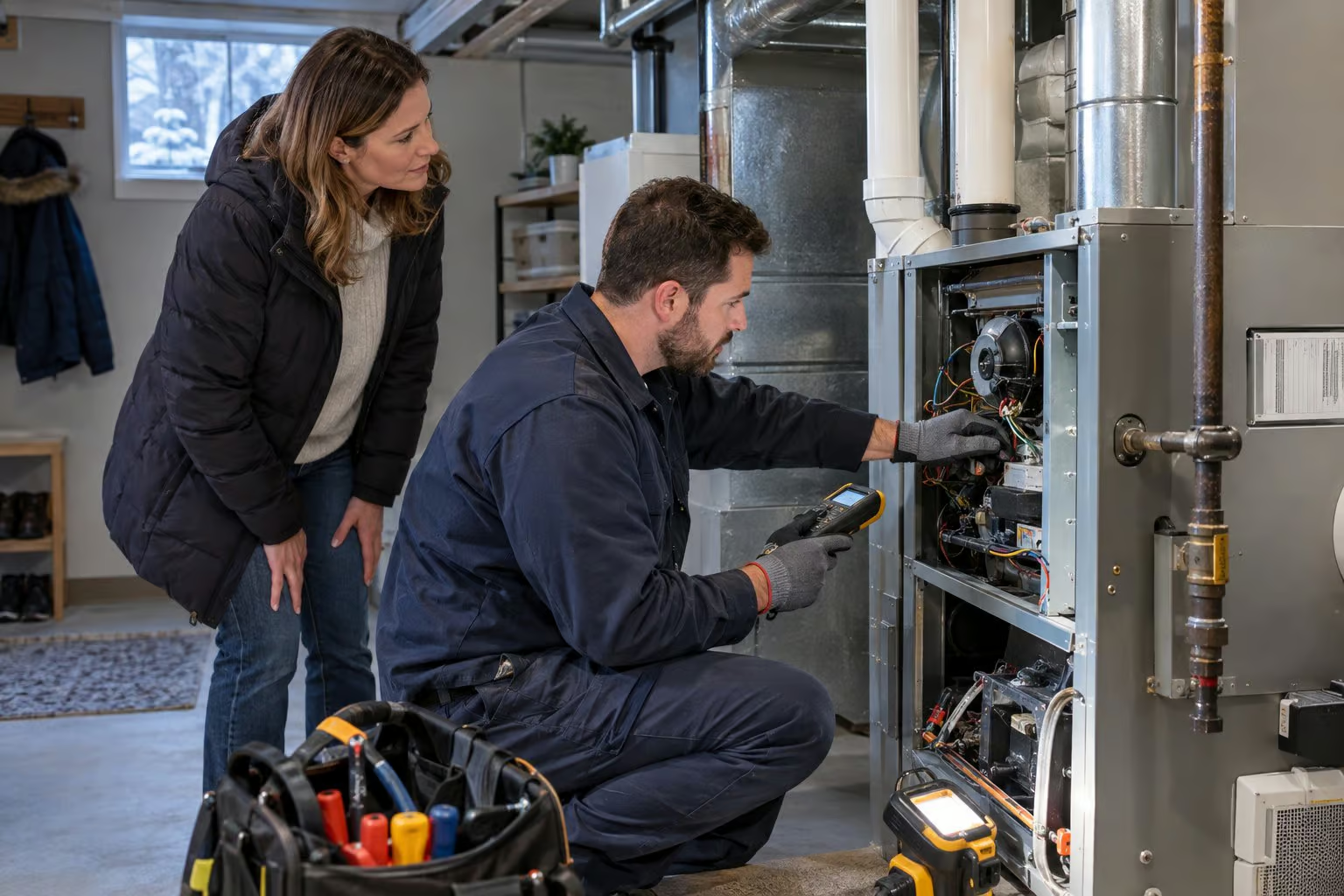
A good emergency visit begins with diagnosis, so the repair fixes the actual fault. The technician watches the furnace go through its start-up steps and finds the point where it stops.
A typical visit covers:
- Thermostat and power check to confirm the furnace is getting the call for heat.
- Ignition sequence to test the igniter, flame sensor, and gas valve.
- Airflow check covering the filter, blower, and return vents.
- Venting and combustion safety to make sure exhaust leaves the home properly.
- Explanation of findings so you know what failed and what your options are.
On older furnaces, technicians check for wear on other parts too. A cracked heat exchanger or corroded burner changes the conversation fast.
Gas and combustion work in Ontario must be done by a TSSA-certified gas technician. Prologic Comfort Solutions is a licensed TSSA contractor with certified gas fitters on staff and handles calls like ignition failure, poor airflow, odd smells, and furnaces that will not stay running.
When Is Replacement Worth Discussing Instead of Repair?
Replacement becomes a fair topic when the diagnosis shows an older furnace with a growing repair history or a safety fault that cannot be fixed reliably. A single failed part on a sound furnace is usually worth repairing.
Small parts such as igniters, flame sensors, and pressure switches fail on furnaces of every age. If your unit has otherwise run well, replacing that part gets you through the season and beyond.
Bring up replacement when you see:
- Several repairs over the past two winters, each costing more
- A furnace over 15 years old with rising gas bills
- Cold rooms and short cycling that keep returning after fixes
- A cracked heat exchanger or venting problem that cannot be made safe
One rule of thumb used in Ontario: multiply the repair cost by the furnace’s age, and if the result tops $5,000, start planning a replacement. Treat it as a starting point for discussion with your technician.
Ask for the exact fault, the proposed repair, and any alternatives in plain terms. A trustworthy technician explains both paths and lets you decide without pressure.
Getting Help in Simcoe, Port Dover, Delhi, and Nearby Areas
Clear details on the phone help a technician show up with the right parts, which matters more on rural Norfolk properties where a second trip takes time. Prologic Comfort Solutions provides heating and cooling services across Norfolk County, including Simcoe, Port Dover, and Delhi, with 24/7 emergency furnace repair reachable at 905-379-9866.
Have these ready when you call:
- Fuel type: natural gas, propane, or oil
- Make and model from the label on the furnace
- What it does: no start, starts then stops, blower runs but air is cold
- Fault codes or blinking lights and when they appear
- Recent changes: new filter, power outage, thermostat work, odd noises
- Access notes: where the furnace sits, gate codes, farm lanes, pets
For rentals or commercial buildings, property managers should also share who can let the technician in and whether tenants are affected.
Getting Safe, Reliable Heat Back
Safe heat comes from a calm sequence. Leave the home and call for help if you smell gas or hear a CO alarm. Run only the outside-the-cabinet checks: thermostat, switch, breaker once, filter, and outdoor vents.
When those do not bring heat back, a licensed technician’s diagnosis tells you whether a repair will hold or whether replacement makes more sense. Keep your fuel type, model number, and symptom notes on hand so that diagnosis starts the moment the technician arrives.
Frequently Asked Questions
Can I relight my furnace pilot or reset it myself?
You can check the thermostat, switch, and filter, but avoid relighting or repeatedly resetting the furnace. Repeated resets can mask a gas or ignition fault. Leave burner and gas work to a TSSA-certified technician.
Is a furnace that won’t start at night a real emergency?
Yes, if the weather is cold or anyone in the home is vulnerable. Indoor temperatures drop quickly in a Norfolk County winter, and pipes can freeze. A 24/7 service handles these calls outside business hours.
Does Prologic Comfort Solutions serve Tillsonburg?
Tillsonburg sits just outside Norfolk County, so coverage there is best confirmed directly by phone. The company’s listed service area includes Simcoe, Port Dover, and communities across Norfolk, Brant, and Haldimand counties.
What should I do while I wait for the technician?
Stay warm with blankets and layers, and use space heaters only as directed by their makers. Clear a path to the furnace. Keep taps dripping slightly if pipes run along cold outside walls.
Do propane and oil furnaces need different repairs?
Yes, the fuel type changes which parts and steps apply. Propane and oil systems are common on rural Norfolk properties. Telling the technician your fuel type upfront helps them bring the right parts.
Prologic Comfort Solutions Emergency Furnace Repairs